S5E2: Finding Balance in Product Management with Katie Tamblin


 RSS Feed
 Ever had one of those weeks where the roadmap is bursting at the seams, everyone wants one more thing, and you can practically feel your balance slipping through your fingers? This conversation with Katie Tamblin goes right into that moment.
Katie shares the kind of stories product people don’t usually admit out loud. There’s the time she walked into a team with seventy‑two product “priorities” taped around the room like a horror‑movie timeline and had to help the organization face the truth about impossibility. And the moment she realized she was about to pass along the very harm she was receiving from an overwhelmed manager and had to ask herself, “What kind of leader do I want to be?”
What follows is an honest, funny, and surprisingly comforting look at how balance, empathy, humor, and human limits shape the work we do. Katie talks openly about burnout, unreasonable expectations, why saying no is an act of care, and how creativity survives only when we give ourselves actual space to think.
If you’ve ever felt stretched thin or stuck between competing demands, this one might feel a little too real in the best possible way.
Quotable Moments
- “Stressed‑out, burned‑out people in back‑to‑back meetings all day do not have aha moments.”
- “You can’t compare a release candidate to the car you drive off the lot. You compare it to the first prototype that probably didn’t even start.”
- “Once a team learns to expect failure, you’ve lost the project. Getting that horse back in the stable is nearly impossible.”
About the Guest
Katie Tamblin is a seasoned data and software advisor with more than twenty years leading product, data science, technology, and marketing teams. She’s also the author of The Lean-Agile Dilemma and someone who has lived through more than a few “how did we get here” product moments.
Call to Action
If this episode made you feel a little more normal in the chaos of product work, you’re in good company. Subscribe, share it with a teammate who’s quietly drowning under too many priorities, or pass it along to the person who needs to hear that saying no is not a moral failing. Real product stories travel best person to person, usually over a much‑needed cup of coffee.
Resources Mentioned
- Dr. Todd Rose – Collective Illusions
- Mentioned in Katie’s discussion about conformity, belonging, and self‑silencing.
- Collective Illusions — Todd Rose
- Katie Tamblin’s book – The Lean-Agile Dilemma
- Discussed in relation to balance, team culture, and the difficulty of saying no.
- Katie Tamblin | Lean-Agile Dilemma
Disclaimer: This transcript was generated with the assistance of AI and may contain errors.
Introduction
Karl Abbott:
Welcome to Productly Speaking, the podcast with real stories from real product people about the messy, surprising, and occasionally brilliant work of building things. No perfect processes. No polished answers. Just honest conversations and lessons learned the hard way.
Today I’m joined once again by Katie Tamblin, a seasoned data and software advisor with more than two decades of experience leading teams across product, data science, technology, and marketing, and the author of The Lean Agile Dilemma. Katie, welcome back.
Katie Tamblin:
Thanks for having me again. I had a great time last time.
Balance as a Product Manager
Karl:
In the last episode, you said your TED Talk topic would be balance. That’s exactly what we’re diving into today. What does balance mean in product management?
Katie:
Product managers sit at the intersection of almost every team. You balance priorities, needs, wants, customer requests, sales asks, operations, marketing, and more. It’s constant tradeoffs. But the reality in many organizations is that balance is completely out of whack. Roadmaps get aspirational and overstuffed because it’s hard to say no, especially when decisions are top-down. Unrealistic expectations pull everything out of balance.
Why Balance Matters
Karl:
Why does balance matter so much in our field?
Katie:
For two reasons. First, product sits at the center of everything, so honesty and realistic expectation setting matter. Second, balance affects performance. Peak performance follows a U-shaped curve. Too little stress and you stagnate. Enough stress and you hit your stride. Chronic stress and people burn out. Even the most resilient employees fall off the cliff when they’re pushed nonstop. And when teams burn out, deadlines slip, quality drops, and people enter what peak‑performance research calls the “zone of delusion.”
The Pressure of AI
Karl:
AI helps us move faster, but it also overwhelms us with more to consume. It never gets tired, but we do.
Katie:
Exactly. AI has no balance. It just runs. That makes the product manager’s job even more critical. Our role is to restore balance by deciding not just where we could go but where we should go. You’ll always have more ideas than the product can realistically or commercially handle. The work is choosing the right ones.
Losing Balance
Karl:
Was there a moment you lost balance and learned something important?
Katie:
So many. In one role, I inherited a team with 72 product priorities expected in one year. I wrote them all on Post‑its and covered the walls. Leadership looked at it and said, “Yes, too many. We’ll cut this down.” Within weeks, half had crept back in. The real lesson was this: unless leadership supports saying no and sticking to it, things will fall apart. Once a team is set up to fail and begins to expect failure, the project is basically gone.
Emotional Balance and People Dynamics
Karl:
Balance is ultimately about people. Our biggest currency is how we make people feel. How do you maintain balance when emotions run high?
Katie:
I haven’t always done this well. I used to mirror the energy people brought me, including negative energy. I’ve learned to reset and keep perspective. This is a job, not an identity. It helps to separate people from performance. Missing a deadline should trigger guilt, not shame. Guilt says “I didn’t do this.” Shame says “I am bad.” Shame destroys teams. And tying self-worth to achievements is equally dangerous because failure is inevitable.
A Difficult Manager
Karl:
Do you have an example of when this happened?
Katie:
Yes. I once had a manager who changed dramatically after a failed launch. Pressure from above turned into personal attacks on the team. I found myself acting the same way and had to stop and ask: “What kind of manager do you want to be?” Eventually leadership restructured things so I no longer reported to that person, and the culture improved. But it taught me how easily we emulate harmful behavior unless we pause and choose differently.
Belonging, Saying No, and Influence
Karl:
Saying no is hard because you risk losing belonging. How does balance help you stay trusted and neutral when guiding change?
Katie:
People don’t change because they’re told to. They change when their internal compass aligns with the direction. Balance is about helping teams understand shared goals, not issuing commandments. You need time and patience to bring people along.
Connection and Vulnerability
Karl:
How do you build genuine connections at work?
Katie:
By keeping ego in check. Early in your career, you’re allowed to say “I don’t know.” As you rise, you feel pressured to know everything. That’s ego. Real connection comes from admitting what you don’t know and listening without waiting for your turn to speak. Vulnerability builds trust.
Empathy and Blame
Karl:
What role does empathy play?
Katie:
Empathy destroys blame. Most people have good reasons for the decisions they make. Low-empathy teams fall apart. You get “fine, I’ll build exactly what you asked for even though I know it won’t work.” That’s how resentment grows. Collaboration disappears.
Creativity and Humor
Karl:
What does creativity mean to you as a product leader?
Katie:
Software is inherently creative. Engineers aren’t building a prototype and then mass‑producing cars. Every release is the prototype. That means bugs and surprises are normal. Creativity also requires space. Hack days and fun side projects always disappear when deadlines loom, but they’re the very things that help teams solve problems faster.
Karl:
And humor?
Katie:
Humor is powerful but tricky. The key is intent. Jokes that belittle are never ok, but fear of missteps shouldn’t kill laughter. One of my sales colleagues once called me the “Chief Poo‑Poo Officer” because I was the one saying no to everything. It instantly diffused tension and made it easier to make good decisions together.
Creativity, Meetings, and Reset Time
Karl:
How do you encourage creativity and positivity?
Katie:
You can’t fake it. And you need thinking time. In some organizations I’ve worked in, 60 to 75 percent of a week was recurring meetings. That’s impossible. It kills creativity. No-meeting blocks can make a huge difference.
Balance in Life and Leadership
Karl:
Balance isn’t just for work. How has your perspective given you an edge?
Katie:
Creativity thrives when product and tech collaborate freely. Micromanaging kills that. Trust and autonomy are everything.
Advice for Early-Career PMs
Karl:
What advice do you have for early-career PMs?
Katie:
Protect your thinking time from the beginning. Find the humor in mistakes. Encourage vulnerability. And remember: if you want to be lean, you have to laugh at your failures. Chunky corporates lose that.
Grounding Rituals
Karl:
What’s a habit that keeps you grounded?
Katie:
Yoga and running. And honestly, a quiet morning coffee. Missing any of those throws me off.
Closing
Karl:
Thank you so much for joining again, Katie.
Katie:
Always a delight.
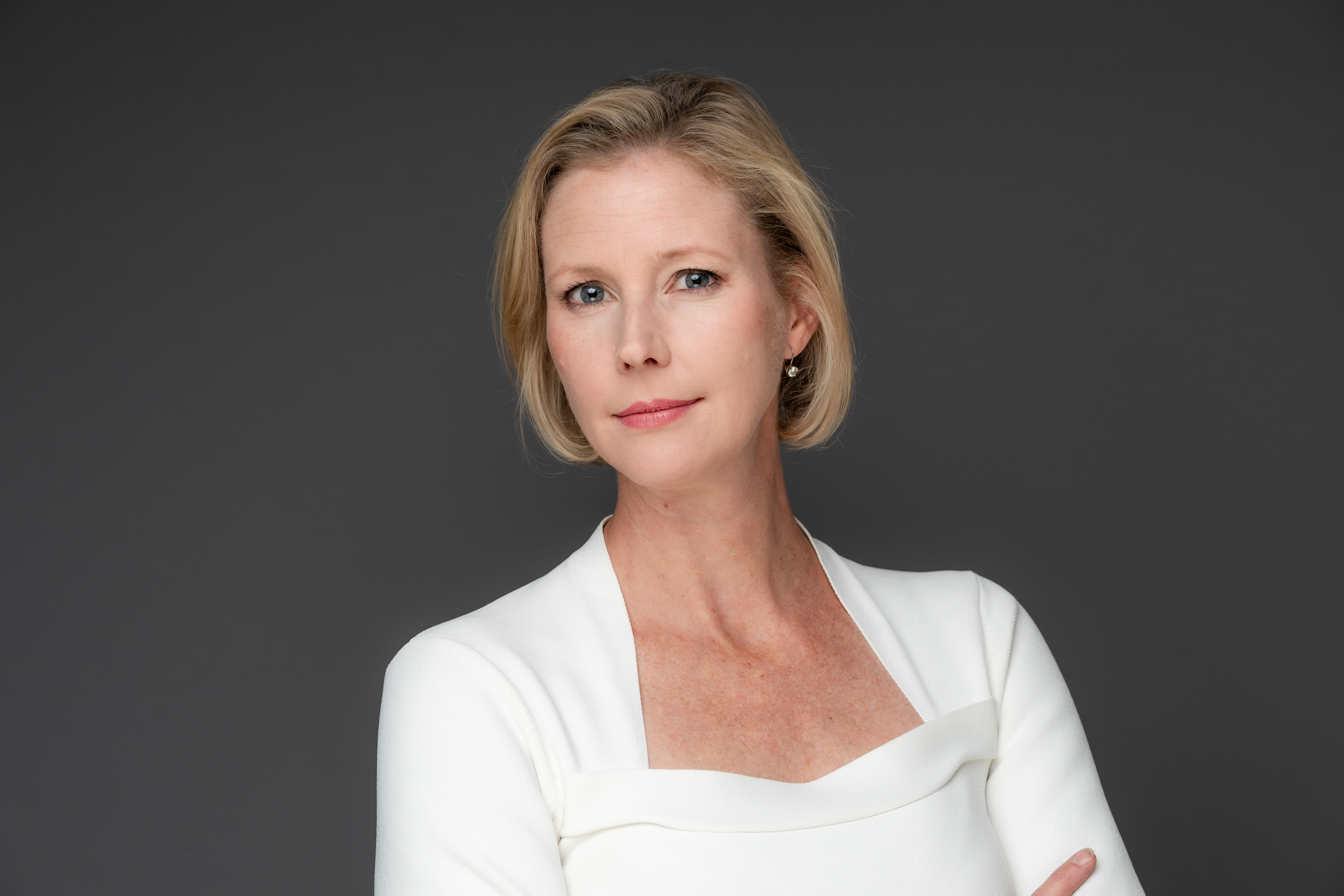
Katie Tamblin is an advisor to businesses and private equity investors in North America and Europe. She has deep experience managing data and software development, particularly in value chain Environmental, Social, and Governance (ESG) reporting as well as health and safety compliance. Katie Tamblin is the multi award-winning author of The Lean-Agile Dilemma: Product Management Inside a Chunky Corporate, named Best Production Innovation book of 2025 in the Hustle & Heart Book Awards and awarded Silver in the Nonfiction Book Awards. She is also the founder of Ecodove, a knowledge sharing portal focused on sustainable living.
Katie has previously served as Chief Product Officer and Board Member at Alcumus, a market-leading global business providing software-led risk management solutions through its Planet Mark, ISOQAR, SafeContractor, and CHAS brands. Katie was also Chief Product Officer at Achilles Information Limited, where her team was instrumental in developing Achilles’ approach to measuring sustainability in supply chains and delivering ESG rating systems for B2B supplier assurance.


